Key Takeaways
- The liver shrinking diet is a legit, doctor-approved, science-backed prep step for weight loss surgery. You usually do it for 2 weeks before the procedure, but it can also last longer/shorter, depending on your surgeon’s guidelines.
- The liver shrinkage diet is low-calorie, low-carb, and high-protein.
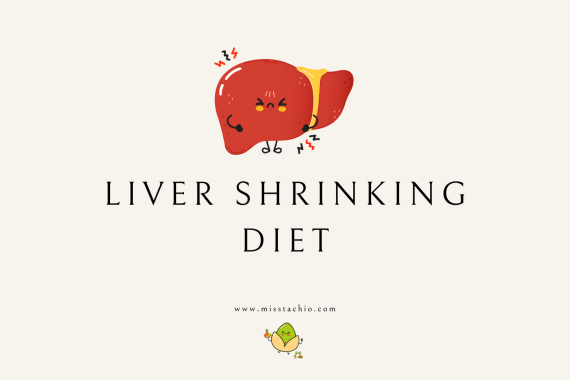
- Goal? Shrink that fatty liver (which btw sits underneath your stomach) so your surgeon can actually see what they’re doing.
- Eat things like chicken, eggs, leafy greens, and protein shakes. Skip bread, pasta, sweets, fried stuff, and booze.
Let’s talk about something your doctor probably didn’t mention during your first consult: your liver. More specifically, the fact that it may be too big and squishy to let your surgeon safely get to your stomach during bariatric surgery. I know, rude! The goal isn’t to bully you with the low-calorie diet, but to make the procedure as safe as possible.
Looking back, it was definitely challenging, but not impossible. Beyond the medical benefits, I also think it was a solid test of willpower and helped me feel more prepared for life after surgery. You can read all about my pre-surgery bariatric diet experience in this post.

What Exactly Is the Liver Shrinking Diet?
The liver shrinking diet is a low-calorie, low-carb, and high-protein eating plan that you follow for about 2 weeks before surgery. On average, it ranges between 800–1,200 calories per day, and while that sounds teeny tiny (because it is), it’s super effective. The duration can be shorter or longer, and I’ve read that some clinics don’t require it at all. Mine lasted 2 weeks.
Here’s what it does:
- It empties out the glycogen (stored carbs) in your liver, which makes it release water and shrink in size.
- It burns off the fat surrounding your liver, which also makes it lighter and easier to lift during surgery.
According to Mayo Clinic, patients can shrink their liver by up to 20% in just two weeks. Wild, right? No idea how mine went in terms of percentage, but I dropped about 5 kilograms, and my dietician said that was a great result.
Why the Liver Shrinkage Diet is Important?
When your liver is enlarged (often from fatty liver disease), it sits right on top of your stomach, which is exactly where your surgeon needs to work during a procedure (like a mini-bypass surgery in my case). A fatty liver makes surgery longer, riskier, and sometimes forces the doc to switch to open surgery instead of the easier, less invasive laparoscopic kind.
What You’ll Actually Eat (And Not Eat)

The liver shrinking diet is structured to give your body exactly what it needs, and nothing it doesn’t. For example, Johns Hopkins suggests a 2‑week plan with a protein shake for breakfast, a fruit snack, another shake at lunch, then a yogurt or shake later, and finally a lean dinner with veggies. Similarly, Kaiser Permanente’s bariatric program outlines 4–6 mini meals per day, averaging five.
That said, every person’s diet plan can look different. For instance, here’s how my pre-op diet actually played out: my doctor recommended a two-week high‑protein, low‑carbohydrate diet. This meant four “meals” a day, with three replaced by protein shakes and one actual meal, or so-called special or large meal:
- Breakfast: Protifar mixed with kefir and a banana.
- Lunch: Low-fat milk and protein powder, plus a couple of tablespoons of Protifar.
- Dinner: Grilled chicken breast, steamed vegetables, a small serving of rice, and a cucumber-tomato salad with Greek yoghurt dressing.
- Evening Snack: Back to Protifar and kefir.
Also, keep in mind that staying hydrated is just as important as following your pre-op meal plan. Aim to drink at least 2 litres of fluid per day, it helps your body function, keeps you feeling full, and can ease some of the diet’s side effects like headaches and constipation.
Liver Shrinking Diet Approved foods usually include:
- Lean proteins: chicken, fish, turkey, tofu, eggs
- Low-fat dairy: semi-skimmed milk, Greek yogurt
- Non-starchy vegetables: leafy greens, broccoli, cauliflower, zucchini
- Low-sugar fruits: berries, melon (small portions)
- Drinks: water, herbal tea, black coffee, calorie-free squash, a splash of balsamic vinegar on salads
Off-limits (for now):
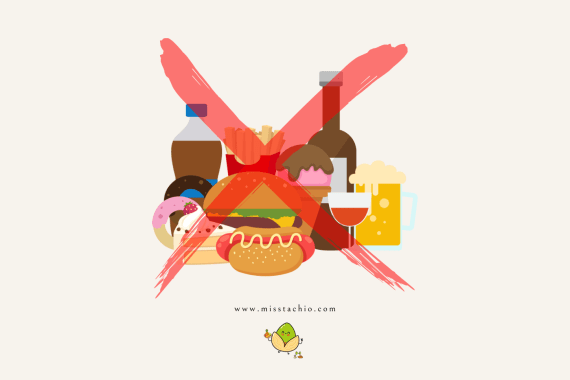
- Alcohol (sorry!)
- Sugar, sweets, fruit juices, soda
- Starchy carbs: bread, rice, pasta, cereal, potatoes
- High-fat and fried foods
This diet can feel strict, but it’s not forever. It’s just long enough to make a real impact on your liver and surgical outcome. I would say that the first few days are the hardest, but hang on because I promise, it will get easier! Plus, it will make your bariatric surgery procedure safer.
Potential side effects
Constipation
You’re eating less fiber, so stay hydrated and add non-starchy vegetables where you can.
Fatigue or headaches
Your body is adjusting to fewer calories and carbs.
Low blood sugar
Especially if you’re diabetic. Always speak with your doctor before starting and ask for additional information if needed.
Final Thoughts
The liver shrinkage diet isn’t exactly anyone’s dream meal plan. Let’s be honest, it’s more “shrivel your liver” than “dinner with flair.” But it’s a short-term challenge with long-term rewards, setting the stage for a smoother, safer surgery. It’s normal to grumble through protein shakes and wave a tearful goodbye to carbs (temporarily), but just remember: your future self will high-five you for pushing through.
Got your own tricks or survival tips for the pre-op diet? Share them in the comments, or at least commiserate with the rest of us. We’re all in this gelatinous, low-fat boat together.