You know that moment when you’re holding clothes that used to fit, wondering if you’ll ever feel comfortable in your own skin again? Or when you’re out of breath just walking up stairs, frustrated that your body feels like it’s fighting against you, no matter what you try?
I’ve been exactly where you are right now. I’ve struggled with being overweight my entire conscious life – not just 5 or 10 pounds, but always 50+ pounds too much. After years of failed diets, workout programs that didn’t stick, and that crushing feeling of being trapped in my own body, I realized I needed something more. That’s when I started seriously looking into bariatric surgery.
The truth is, I’d known about weight loss surgery for at least ten years. Some people in my circle had gotten help from it, and I’d seen shows like “My 600-lb Life.” But I always thought of gastric surgery as a last resort, I wanted to handle it on my own strength.
Eventually, I realised I couldn’t keep going the old way and that I needed help with weight loss.
What Actually Is Bariatric Surgery?
Let me break this down without all the medical jargon. Bariatric surgery (they also call it metabolic and bariatric surgery or weight loss surgery) basically changes how your digestive system works. It’s not just about making your stomach smaller, though that’s definitely part of it.
The American Medical Association explains it better than I can, but here’s what I learned: these weight loss procedures actually change how your body processes food, which helps you lose weight and maintain a healthy weight long-term.

Most common weight loss surgery options include:
• Gastric bypass surgery: They create a tiny pouch (about egg-sized) and reroute your small intestine
• Gastric sleeve: They remove most of your stomach, leaving a narrow tube
• Gastric banding: A band goes around your stomach to make a small pouch
Most bariatric procedures today are performed laparoscopically, which means smaller cuts and you heal faster. My surgeon called it the “keyhole method”.
Is It Actually Worth It?
This is probably what you really want to know, right? I honestly didn’t have a good answer until I lived it.
Research shows most people who undergo weight loss surgery lose 50-70% of their excess weight in the first couple years. But here’s what those statistics don’t capture, it’s so much more than just achieving a healthy weight.
My friend Sara (she had her surgery six months before me) said something that stuck with me: “I realized I hadn’t taken my blood pressure meds in weeks, not because I forgot, but because I didn’t need them anymore.”
For me? The biggest change isn’t even the weight loss. It’s that I can walk up stairs without getting winded. I used to literally calculate distances in my head – like, “Can I make it from the parking lot to the store without being out of breath?” That constant mental math about my physical limitations just… disappeared.

I was also constantly worried about things like airplane seatbelts fitting, whether plastic chairs could hold me, what to wear to the beach, and why I was always so hot. The mental exhaustion of constantly thinking about how much space I take up was overwhelming.
Some other obesity related health conditions that improved:
• I sleep so much better (I have heard it can even help with severe sleep apnea!)
• Joint pain in my knees is gone
• I actually have energy for regular exercise
• I’m not embarrassed to be in photos
But let’s be real: surgery helps, but it’s not magic. It’s more like getting really good tools. You still have to do the work with diet and exercise.
How Do You Know If You're a Candidate?
This isn’t just about stepping on a scale and checking your body mass index. Your doctor will look at a bunch of different things.
Body Mass Index Requirements:
Most surgeons want to see a BMI of 40 or higher, or 35+ if you have weight-related health problems like diabetes or high blood pressure. But honestly, BMI is just one piece of the puzzle for determining if you’re considered overweight enough for surgery.
Your health history matters too:
• Do you have obesity related health conditions?
• Have you tried other weight loss methods with diet and exercise that didn’t work long-term?
• Are you healthy enough to undergo surgical procedures?
• Are you mentally prepared for major lifestyle changes?
• Can you commit to lifelong follow-up care?
As the Cleveland Clinic says, this is a lifelong commitment, not a quick fix.
Can You Get Gastric Bypass at 200 Pounds?
This comes up a lot in the support groups I’m in. People feel stuck: heavy enough to struggle but maybe not “heavy enough” for surgery.
It really depends on more than just the number. A shorter person weighing 200 pounds could have a BMI over 35 with diabetes and qualify easily for bariatric procedures. A taller person at the same weight might not meet the criteria.
Your whole medical picture matters. Height, weight-related health problems, and previous weight loss attempts – doctors look at everything when determining if you should undergo weight loss surgery.
The Not-So-Fun Stuff Nobody Talks About
Let me be honest about the downsides because I wish someone had given me the real talk before my surgery.
Immediate surgical risks are real:
• Excessive bleeding, blood clots, infection – all the usual scary surgery stuff
• Reactions to anaesthesia
• Breathing problems
Long-term complications can happen: The Mayo Clinic lists some scary-sounding possibilities, but here’s what I actually deal with:
• I have to take vitamins for life (my body doesn’t absorb fewer nutrients the same way)
• I get blood work every few months to check my levels
• If I eat too much sugar or fat, I get something called “dumping syndrome”, and trust me, you don’t want that

The emotional stuff is harder than I expected. Your relationship with food completely changes. That comfort food that used to make you feel better? It might make you sick now.
I won’t lie, it’s really hard when your entire social life revolves around food. Family dinners, work lunches, celebrations – you have to figure out new ways to connect with people that don’t centre around eating.
What really hit me was when I realisedd I was tired of being tired all the time. A few flights of stairs would leave me breathless, a long walk would make my knees ache with joint pain. Shopping for clothes meant settling for what fit, not what I actually liked. And the comments, even well-meaning ones from family and friends, really wore me down over the years.
The constant worry about physical limitations was exhausting. I’d stress before flights about seatbelt fit, wonder if chairs could support my weight, calculate walking distances to avoid embarrassment. That mental load of navigating the world in a larger body was draining my overall health.
Questions I Wish I'd Asked Myself Earlier
Before you even talk to a surgeon, sit with these:
- Have you relly tried sustainable lifestyle changes with diet and exercise and professional help? (Not crash diets, I mean real, long-term healthy habits)
- What’s really driving this decision? Health concerns? Quality of life? Or pressure from others?
- Are you ready for your relationship with food to change forever and commit to regular physical activity?
- Do you have people who will support you through this journey to a healthy weight?
- How do you handle stress and emotions now? If food is your main coping strategy, you’ll need new ones.
Getting Ready to Lose Weight with Bariatric Surgery (If You Decide to Do It)
Find the right healthcare team.
You want:
• A surgeon who’s done tons of these bariatric procedures. For me, this was non-negotiable. I went to the best bariatric surgeon in my country (at least in my opinion).
• A registered dietitian who specialises in post-surgical nutrition
• Mental health professionals familiar with bariatric patients
• A program that includes long-term follow-up care
Physical prep:
• Quit smoking and tobacco use (seriously, don’t mess around with this)
• Start an exercise program regularly before surgery
• Learn about post-surgery nutrition to maintain a healthy weight
• Get all your medical clearances done

Mental prep:
• Work on any eating disorder issues
• Develop healthy lifestyle habits to handle stress
• Set realistic weight loss goals and timelines
• Prepare for changes in relationships and social situations
Looking back, I wish I’d started seeing a therapist earlier to work on my relationship with food. Also, give up sparkling water now if you drink it – I still miss it terribly, but it causes too much discomfort after surgery.
Life After Surgery - The Real Deal
Let me paint you a picture of what eating is actually like now.
My stomach is about the size of a golf ball, creating a small pouch. A typical meal for me is maybe 3-4 bites of chicken and a few vegetables. I have to chew everything really well and eat slowly. If I eat too fast or too much, I feel awful, and trust me, you learn to recognize that “full” signal pretty quickly.
Here’s something weird – I can’t stand eggs anymore. Before surgery, I had nothing against eggs, and I’ve tried cooking them different ways, but they just taste terrible to me now. It’s frustrating because they’re such a good protein source for maintaining a healthy weight.
I take a bunch of vitamins and minerals every day to prevent mineral deficiencies. I get blood work regularly to make sure my nutrient levels are okay. I focus on protein-rich foods first at every meal. I have to be careful with sugar and fat intake to avoid dumping syndrome.
I had to learn to inject blood thinners into my tummy for 10 days after surgery. And there’s this weird thing where you have to wait 30 minutes between eating and drinking – that was the hardest adjustment for me since I’ve always been a big water drinker.
So... Should You Do It?
Here’s the thing – whether you choose surgery or not, you need to pick something you can actually stick with long-term.
If you’re leaning toward surgery, remember it’s a tool. A really effective tool, but still just a tool. Your success depends on how you use it.
If you decide against it, that’s totally valid too. There are lots of ways to improve your health and quality of life.
What's Next?
If you want to explore this more:
- Talk to your primary doctor about your health concerns and weight loss goals
- Research bariatric programs near you (look for ones with good support systems for long-term success)
- Go to an info session at a reputable bariatric center
- Check out online support groups to hear real stories about maintaining a healthy weight after surgery
- Really think about your motivations and readiness for lifestyle changes
This decision isn’t just about a number on the scale. It’s about reclaiming your overall health, energy, and confidence. Whatever you choose, make sure it’s a decision you can live with, literally and figuratively.
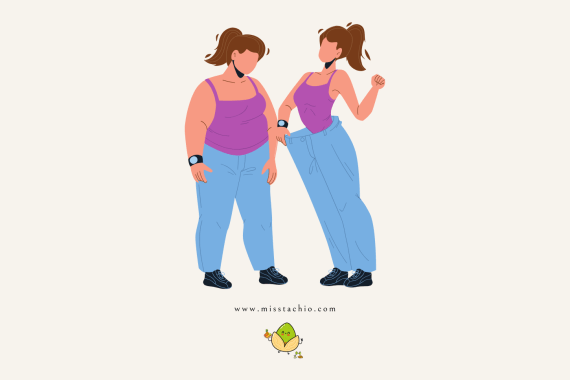
Would I do it again? Without question. I lost about 11 kg in my first month alone, moving me closer to a healthy weight. I still have work to do, maintaining this weight loss and hopeflly losing more excess weight – but the freedom I’ve gained goes way beyond what the scale says.
When I woke up after surgery, the nurse asked about my pain level on a scale of 1-10. I said 5-6 – it definitely felt like something had been done to my abdomen, but honestly I was more cold than anything. My teeth were chattering! The recovery was much easier than I expected.
The answer to “should I get bariatric surgery?” is different for everyone. Take your time, do your research, and trust yourself to make the right choice for your situation.
If you’ve been through bariatric surgery yourself, what was the biggest change you noticed? And if you’re still deciding, what’s the number one question you wish you could ask someone who’s been there?