Key Takeaways
Bariatric surgery can be life-changing, but it comes with significant risks and potential complications.
Common procedures (like gastric bypass, sleeve gastrectomy, and gastric band surgery) have unique risk profiles.
Short-term risks include infection, blood clots, and anaesthesia-related complications.
Long-term risks encompass nutritional deficiencies, dumping syndrome, and psychological effects.
That’s why having a legit, qualified bariatric team in your corner is so important. They’ll help you understand the risks, get prepped, and set you up for a healthy, happy outcome for the long haul.
My Journey Into the Bariatric Surgery Risks
Let’s be real. Bariatric surgery isn’t just another weight-loss fad. If you’re here, you’re probably already deep in research mode, weighing the pros and cons of going under the knife. I totally get it because I’ve been there too.
The risks of surgery were definitely something I was super afraid of, so I spent hours (okay, maybe days) reading articles, checking out medical studies, and yes, getting lost in those panic-inducing Reddit threads. Some of those horror stories really freaked me out.
I’m no doctor or any kind of medically qualified person, not by any means! But I want to share what I’ve found in my research. My hope is that it helps you feel a bit more prepared and a little less alone, because you deserve to make the best decision for yourself.
Immediate Risks After Bariatric Surgery
Before we go ahead, please keep in mind that all surgical procedures carry risks, and bariatric surgery is no different. Let’s start with the immediate risks. These are the ones you’re most likely to face in the hours to days right after the weight loss procedure, when your body is still adjusting and healing.
Infection at the Incision Site
They’re one of the most common immediate risks after bariatric surgery. These infections, known as surgical site infections (SSIs), happen around the incision area and can show up as redness, swelling, pain, or even some not-so-cute oozing.
How common are they? Studies show that infection rates can vary widely, from around 1% to as high as 30%, depending on the type of surgery and the patient’s health (like if you have diabetes or a higher BMI). But here’s the good news: thanks to better surgical techniques and improved aftercare, recent data shows that the average infection rate for bariatric surgery is now closer to 0.7%, which is way less scary!
Blood Clots and Pulmonary Embolism
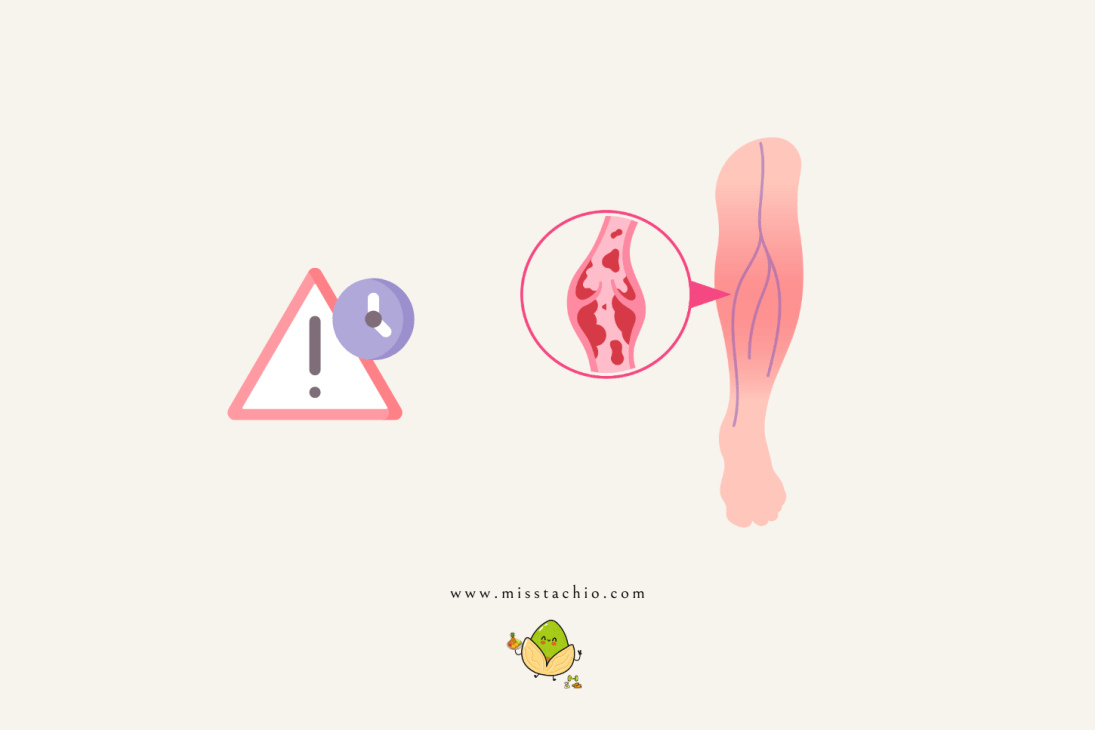
Blood clots are another serious risk after bariatric surgery. They often start in the legs as deep vein thrombosis (DVT), and if they travel to the lungs, they can cause a pulmonary embolism, which is life-threatening. Studies show that blood clots happen in about 0.3% to 3% of bariatric surgery patients.
To help prevent these clots, you’ll likely get a combination of treatments: blood-thinning medication and those super fashionable compression stockings. Moving around as soon as you safely can after weight loss surgery is also key to keeping things flowing.
Adverse Reactions to Anaesthesia
Let’s not forget about anaesthesia. It’s what keeps you comfy and unaware during surgery, but it can come with its own set of risks. Most of the time, people sail through anaesthesia without any issues, but some folks can experience things like nausea, dizziness, or confusion right after waking up. In rare cases, it can lead to more serious reactions.
Leaks in the Gastrointestinal System
This one’s rare but serious. After bariatric surgery, there’s a small chance that the new connections in your digestive system can leak, letting digestive juices escape into the belly and causing infections.
Leaks happen in about 0.6% of gastric bypass surgeries and up to 3% of sleeve gastrectomies (PubMed, Springer). Symptoms can include fever, a racing heart, or severe belly pain, so it’s important to get medical help right away!
I know all of these risks sound pretty scary, at least they did for me. I mean, who wants to think about dying during a mini gastric bypass? But the clinic’s sources did a great job of not just highlighting the risks but also putting them into perspective. The chance of something life-threatening happening during or right after the surgery is actually lower than getting into a plane crash. Plus, most of the really dangerous stuff usually happens during the operation itself or within the first 24 hours. And guess what? That’s when you’ll be in the hospital with an entire team of experts ready to jump in if needed (which, let’s be real, is super unlikely anyway).
Short-Term Complications: The First Few Weeks
Now that you’re home from the hospital, the highest risks, like those that could happen during or right after surgery, are usually behind you. But your body is still getting used to all the changes, so don’t be surprised if a few bumps in the road pop up. Here’s what you might experience in the first few weeks:
Nausea and Vomiting
These are pretty common as your digestive system figures out how to handle the new setup. Eating too fast or not chewing well can make things worse, so take it slow and steady! My only suggestion is to make sure to stick to your surgeon’s guidelines.

Abdominal Pain
A little discomfort around the incision sites or from adjusting to eating differently is expected. But if it’s sharp or gets worse, don’t brush it off; call your doctor.
Difficulty Tolerating Certain Foods
You might discover that some foods just don’t sit right anymore, especially high-fat or super-sugary foods. Let’s be honest, you probably shouldn’t be eating those in the first few weeks anyway! My clinic suggested sticking to soft foods for the first two weeks, and honestly, your body will thank you for it. At least I wasn’t willing to experiment.
Dumping Syndrome
This happens when food moves too quickly from your stomach to your small intestine, and it’s as fun as it sounds. Symptoms can include nausea, dizziness, diarrhea, and cramping. According to this article, up to half of people who have gastric surgery deal with this at some point.
I was definitely more relaxed during those first weeks after the surgery. Sure, I was still healing and adjusting, but at least I wasn’t super worried about anything life-threatening happening. My biggest tip? Just follow the guidelines and check in with your team if something doesn’t seem right. For example, my surgeon actually called me the day after I got home to make sure I was doing okay. The clinic even gave me my surgeon’s business card with his phone number to call anytime I needed (thank goodness I never had to!).
Long-Term Risks: The Road Ahead
Okay, so you’ve made it through the first few weeks, and things are finally starting to settle down, and you are getting more used to your new lifestyle. But here’s the thing: bariatric surgery isn’t just a quick fix; it’s a lifelong commitment. And that means some long-term risks you’ll want to keep on your radar.

Nutritional Deficiencies
One of the biggies is missing out on important vitamins and minerals. Because your stomach and intestines are doing their job a little differently now, it’s easier for deficiencies in things like iron, calcium, vitamin B12, and vitamin D to sneak up on you. Taking your daily supplements and sticking to follow-up appointments is super important. I get regular blood work done to keep track of my levels, just to make sure everything stays on point.
Weight Regain
Ugh, no one wants to hear this one, but it’s true: some people start to regain weight a few years after surgery. Not gonna lie, I’m terrified of that one happening! The good news is that with the right strategies, you can minimize the risk of weight regain. Sticking to healthy eating habits, staying active, and keeping up with regular check-ins with your bariatric team can make a big difference. Remember, the surgery is a tool, and maintaining weight loss is a lifelong journey
Dumping Syndrome
Yep, this one can stick around long-term, especially if you go rogue and eat too much sugar or fat. Symptoms can include nausea, diarrhoea, dizziness, and just feeling plain yucky.
Psychological Effects
Let’s not forget about the mental health side of things. Major weight loss can trigger a lot of feelings, some good, some tough. It’s not uncommon to experience mood swings, anxiety, or even depression. Support groups and therapy can be a huge help for staying on track emotionally. I recommend taking care of your mind, too!
When to Call Your Doctor Right Away

Even when you’re home and feeling like you’re on the mend, there are some signs that need a quick call to your doctor, no ifs, ands, or buts! If you’re running a fever over 38.5°C (101°F), having intense or worsening belly pain, or feeling your heart racing like you just ran a marathon, it’s time to call. Same goes if you have trouble breathing, chest pain, or your legs suddenly get swollen and red – these could be signs of a blood clot or infection.
Persistent nausea or vomiting, or not being able to keep any fluids down, is also a red flag (hello, dehydration). And if your incision sites start looking red, swollen, or start oozing anything funky, that’s another sign to pick up the phone.
Bottom line: if something feels off or you’re just not sure, call your doc. It’s always better to be safe than sorry!
Conclusion: Take It One Step at a Time
So that’s the deal with the risks of bariatric surgery. It’s a lot to take in, I know. Honestly, I was overwhelmed too! But knowing what could happen and how to handle it can actually give you a sense of control and calm.
The most important thing to remember is that while there are real risks, there’s also a ton of support and expertise out there to help you navigate them. With a good team, healthy habits, and some patience, you can handle those bumps and keep moving toward a healthier, happier life.
One thing I learned? To give yourself the best possible start, make sure you really stick to your bariatric diet before surgery. It’s not always fun, but it helps shrink your liver and makes the surgery safer and easier for your surgeon. Plus, it’s a great way to show yourself that you’re ready to make those lifelong changes.
At the end of the day, this journey is yours. Listen to your body, stay in touch with your bariatric team, and don’t be afraid to ask questions or lean on support. Whether it’s your surgeon, your friends, or even people like me who’ve spent way too much time reading about this stuff online. You’ve got this!
Frequently Asked Questions
What Is Bariatric Surgery?
What Is Bariatric Surgery?
Bariatric surgery, also known as weight loss surgery, involves altering your digestive system to help you lose weight. It’s typically recommended for individuals with a body mass index (BMI) over 40, or over 35 with obesity-related health issues like diabetes or sleep apnea. The goal? To reduce excess weight and improve overall health.
What types of bariatric surgeries are there?
What types of bariatric surgeries are there?
The most common types include sleeve gastrectomy, gastric bypass (Roux-en-Y), gastric band surgery, and biliopancreatic diversion with duodenal switch. Each has its own benefits and risks, and your bariatric surgeon will help you choose the best option based on your health and goals.
How does laparoscopic surgery compare to open surgery??
How does laparoscopic surgery compare to open surgery??
Laparoscopic surgery uses tiny incisions and a camera to perform the procedure, while open surgery requires larger cuts. Laparoscopic surgery generally means less pain, faster recovery, and a lower risk of infection. FYI – I had the laparoscopic surgery.
Can bariatric surgery help with health problems like high blood pressure or sleep apnea?
Can bariatric surgery help with health problems like high blood pressure or sleep apnea?
Yes! Losing excess weight can lead to improvements in high blood pressure, sleep apnea, and other obesity-related issues. That’s one of the biggest benefits of these procedures.
Who is a good candidate for such surgery?
Who is a good candidate for such surgery?
People with a high body mass index (BMI) and related health issues like diabetes or heart disease may benefit most. A bariatric surgeon or general surgeon will help diagnose your situation and find the best treatment.
What’s the key to long-term success?
What’s the key to long-term success?
The key to long-term success is combining the surgery with permanent changes to your diet and exercise routine. Regular follow-ups with your bariatric team help monitor for complications and keep you on track to a healthier life.