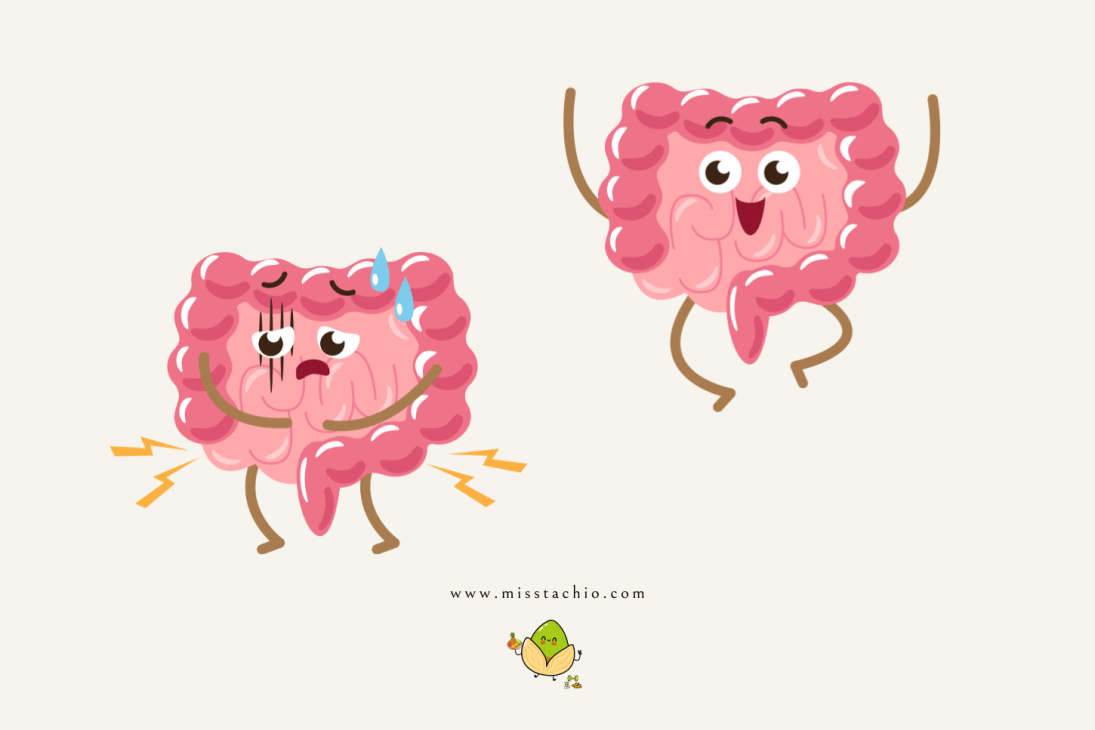
Here’s what nobody puts in the glossy bariatric surgery brochures: you might not poop for a week. Or longer. And nobody seems to want to discuss it.
You’ll find endless content about protein goals, vitamin schedules, and inspirational weight loss timelines. But constipation after bariatric surgery? Crickets.
Well, not today. We’re going there. Because this is one of those things that’s incredibly common (happened with me at least), totally manageable, and absolutely needs to be talked about openly. No shame, no embarrassment, just honest information about what’s happening in your body and what actually helps.
Why Your Digestive System Hits the Brakes
Constipation after bariatric surgery isn’t just common. It’s almost expected. And there are legit reasons why your body decides to stop cooperating in the bathroom department.
First off, weight loss surgery changes the anatomy of your stomach. Whether you had gastric bypass, gastric sleeve surgery, sleeve gastrectomy, or another procedure like duodenal switch or biliopancreatic diversion, your digestive tract got a major renovation. That affects everything from how food moves through your system to how often you need to, well, go.
Here’s something wild: constipation doesn’t hit everyone the same way. It’s actually more prevalent after sleeve gastrectomy than after gastric bypass [1]. The specific changes to your digestive system matter.
Now let’s talk fiber. Your fibre intake tanks after surgery. When you’re focused on hitting protein goals and can barely finish two bites of food, or even less, fiber falls to the bottom of the priority list.
Then there’s the medication situation. Pain meds, especially opioids, can result in constipation following surgery [2]. They basically tell your digestive tract to take a nap. A long one.
Add it all up: less food, less fiber, less water, slower digestion, medications that constipate you. Your intestinal transit slows way down, stool consistency changes toward firmer stools, and then you find yourself sitting in the toilet and praying that it would happen.
(Spoiler: it usually is not, or if it does, it can be a looong and painful process)

The Reality Check Nobody Gives You
Constipation is common after bariatric surgery. Like, really common. It can happen after Roux-en-Y Gastric Bypass, Sleeve Gastrectomy, pretty much any bariatric procedure you can name.
Going three to five days without a bowel movement? Pretty standard in those first few weeks. Your body is processing the fact that you just rearranged its entire food management system. You’re eating tiny portions of mostly liquids or purees. There’s just not much material moving through your digestive system yet.
The good news (because there is good news): symptoms of constipation typically improve over time as your body adjusts to the changes. Most people find things regulate within a few months. You’re not stuck like this forever.
But those first few weeks? They can feel long. Really long. And it is not pleasant.
The Water Struggle Is Real
Hydration is critical after bariatric surgery to maintain bowel function and prevent constipation. You’ll hear this from every medical professional. Drink water. Stay hydrated. Keep sipping.
Cool. But here’s the reality: patients often struggle to drink as much water as they did before surgery due to dietary changes. When your stomach holds maybe four ounces at a time, getting to 64 ounces feels like climbing Everest with a teaspoon. I have always been a big water drinker, so I did not struggle too much with it, and I believe it was not the main cause of my slow bowel movements.
Inadequate hydration affects bowel habits fast. It’s one of the biggest factors in post-surgery constipation. Water helps keep things soft and moving. Without it? Everything gets stuck.

The trick is turning into a constant sipper. Set phone alarms. Carry a water bottle like it’s attached to your hand. Try room temperature or warm water if cold hurts your stomach. I had a glass of water next to me all the time (minus 30 minutes before and after eating), and I think that helped a lot not to forget to drink.
Get Your Body Moving (Even When You Don't Want To)
Physical activity is huge for constipation relief. And I’m not talking about running marathons or doing intense workouts (I mean, if my body was not too sore from surgery, I was simply too fat to run one). Just moving your body makes a real difference.
Staying physically active with low-impact exercises helps move food through the bowels and can relieve constipation. Your digestive tract needs movement to function properly. Sitting still all day doesn’t help anything get moving internally either.
Walking is genuinely one of the best things you can do. It’s gentle, it’s accessible, and it works. Physical activity improves blood circulation and stimulates bowel movements naturally. While in the first few days after the weight loss surgery, it might be difficult due to stitches hurting and the body overall adjusting, but I was trying to walk as much as I could.
Research suggests at least 60 minutes of mild exercise daily post-surgery can enhance recovery and bowel health. Before you panic, that doesn’t mean 60 minutes straight. Break it into chunks. Ten minutes here, fifteen minutes there. That’s how I did it.
The Fiber Situation: Slow and Steady Wins
Dietary fiber is important for bowel health after surgery. But here’s where so many people mess this up and make things worse instead of better. You cannot just dump a ton of fiber into your system all at once. I know you want quick fixes. I get it. But increased fiber intake should be gradual to allow your body to adjust after surgery.
Your digestive system already went through massive changes. Suddenly adding tons of fiber without enough water backing it up? You’re just creating a traffic jam in your intestines.
Gradually adding fiber-rich foods like pureed prunes, beans, whole grains, and vegetables can alleviate constipation post-surgery. Start small. Add a little more each week. Let your body catch up. Pureed prunes are basically magic. A spoonful mixed into yogurt can work wonders. And speaking of yogurt, probiotic-rich foods like plain yogurt can aid digestion and promote a healthier gut overall.
The balancing act is real though. Your daily intake of protein is crucial after bariatric surgery. That’s non-negotiable. But fiber matters too. You need both for your body to function well. I learned it the hard way.
What You Can Actually Take
Stool softeners are usually where you start. Stool softeners like Colace (docusate sodium) can help make stools easier to pass after bariatric surgery. They pull a bit of water into your stool, softening it without forcing your intestines to contract.
A lot of bariatric patients take a daily stool softener for the first few months as prevention, not just when constipation hits. Easier to prevent the problem than deal with it once you’re miserable. My clinic suggested I use Microlax if I went a few days without bowel movements.
If stool softeners alone aren’t enough, osmotic laxatives like MiraLAX or Milk of Magnesia work by pulling water into your colon to soften everything up. These are gentler options that don’t create dependency like stimulant laxatives can.
MiraLAX is tasteless and mixes into anything. Your morning protein shake, water, crystal light, whatever. You won’t even notice it’s there.
Avoid stimulant laxatives unless your doctor specifically tells you to use them. Those force your intestines to contract and can be rough on your healing digestive system. Save those for when nothing else works and you have medical guidance.
Always check with your surgical team before taking anything. What’s recommended after mini-bypass surgery might differ slightly from sleeve gastrectomy or duodenal switch protocols.
Also worth noting: some supplements worsen constipation. Calcium and iron are notorious for this. Your timing and which forms you take matter.
When to Actually Worry
Monitoring bowel habits is important after weight loss surgery. Not in an obsessive way, but keeping track of when you last went and how you’re feeling overall helps you know when something needs attention. I was literally marking it down in my notebook.
If there’s no bowel movement in three to five days and you’re increasingly uncomfortable, reach out to your healthcare provider. If constipation persists despite lifestyle adjustments, or if you hit the one-month mark and are still struggling, you need medical guidance.
Gastric bypass patients experiencing severe constipation after surgery should contact their healthcare provider rather than suffering in silence. Postoperative care should include monitoring for these issues.
Now, there’s regular constipation (uncomfortable but manageable), and then there’s “something is seriously wrong” territory.
Intense abdominal pain that keeps getting worse? That’s concerning. Can’t keep down any fluids, not even water? Call your doctor. Persistent vomiting, fever, or significant swelling that looks different from normal bloating? Those are red flags.
A blockage is a whole different animal from regular constipation. With a blockage, the pain is severe and escalating. You can’t keep anything down. That requires immediate medical attention.
If you can still sip fluids, the discomfort is annoying but bearable, and you don’t have alarming symptoms, you’re probably dealing with typical post-surgery constipation. Still worth checking in with your medical team for guidance, but it’s not an emergency.
It is essential to consult a healthcare professional if constipation persists or worsens. Don’t play the “I’ll give it one more day” game for weeks on end.
Building Habits That Actually Stick
Constipation after bariatric surgery is common and usually temporary. But the habits you build now prevent it from becoming a chronic issue down the road.
- Make hydration your top priority. Even when you don’t feel like constantly sipping water, do it anyway. Set those alarms. Carry that bottle. Your bowel function genuinely depends on it.
- Keep moving daily. Low-impact physical activity should become automatic, not something you only do when constipation hits.
- Add fiber gradually but consistently. As you progress through diet stages and can handle more solid foods, make fiber-rich choices whenever possible.
- Keep stool softeners on hand. Even after things regulate, having them available beats scrambling to find relief when you’re already uncomfortable.
Weight loss surgery can have an effect on different bodily functions, including bowel function. Your stomach is smaller. Your anatomy changed. Your body operates under completely new rules now.
Adjusting takes time. Be patient with yourself. Symptoms improve as your body figures out its new normal. Most people find their rhythm within a few months. For me, it took two (quite painful) months.
The Bottom Line
Constipation following bariatric surgery is frustrating and uncomfortable. It’s also incredibly common and usually temporary.
Stay hydrated even when it feels impossible. Move your body daily, even when you don’t feel like it. Add fiber back gradually as you progress through diet stages. Take stool softeners preventively instead of waiting until you’re miserable. And reach out to your healthcare team if things aren’t improving.
Your body went through massive changes. Give it time and support while it adjusts. Monitoring bowel habits, prioritizing hydration, and maintaining physical activity all contribute to better outcomes.
And please, lose the embarrassment around this topic. Most likely, every single bariatric patient deals with digestive issues. It’s part of the process, not a personal failing or something to hide.
Share your tips in the comments if you’ve found things that help. What’s worked for managing constipation after your surgery? Let’s help each other navigate this less-than-glamorous part of the weight loss journey.
Because the more we talk about it openly, the less alone everyone feels.
Frequently Asked Questions
What can I do to avoid constipation following weight loss surgery?
After bariatric surgery, your digestive system and small intestine change significantly, which can slow everything down. The best way to avoid constipation is to stay ahead of it. Take a gentle stool softener like Colace if your team recommends it, and use MiraLAX or Milk of Magnesia if you need a little extra help. Most importantly, stay hydrated, dehydration is one of the biggest culprits. Also watch your supplements; iron and calcium can have a negative effect on digestion if you’re not timing them right.
How long can I go without a bowel movement after surgery?
It’s pretty normal to go three to five days without a bowel movement following weight loss surgery, especially in the early weeks. Your body is still adjusting to tiny meals and less fiber. But if your last bowel movement was more than five days ago or you’re feeling really uncomfortable, call your bariatric team. Don’t wait too long because prevention is easier than treatment.
Does constipation affect my ability to lose weight?
Not directly. Constipation doesn’t stop you from losing weight, but it can mess with your mindset. When you’re backed up, you’re literally carrying extra waste weight, which can make the scale stall. It also leaves you bloated and tired, which can make you move less and feel off track. Staying regular helps you feel lighter, more energetic, and more motivated to keep those healthy habits going.
How can I get enough fiber without feeling too full?
Getting enough fiber after surgery is tricky when your new stomach fills up fast. Focus on small portions of foods that add bulk to your stool without overwhelming your pouch, things like pureed prunes, chia seeds, soft veggies, or oatmeal. Go slow, add a little at a time, and stay hydrated while you increase fiber. Water plus gradual fiber is the perfect combo for keeping things moving.
What are the warning signs of a blockage?
A blockage is a different beast than regular constipation and needs immediate medical attention. Watch for severe abdominal pain, vomiting, visible swelling, inability to keep fluids down, or fever. Because your small intestine now processes food differently, don’t try to “tough it out.” If something feels seriously wrong, get checked right away.
Why is constipation so common after gastric sleeve surgery?
Your digestive system has literally been redesigned. With less stomach space and rerouted sections of the small intestine, food moves slower. You’re eating less, taking in less fiber, and your stool has less material that adds bulk — an important factor for regular bowel movements. Add in dehydration, and you’ve got the perfect storm for constipation. The good news? When you stay hydrated, move daily, and slowly increase enough fiber, your system finds its new rhythm.
How do nutritional deficiencies affect the way fiber supplements work after bariatric surgery?
After bariatric surgery, nutritional deficiencies can change how your body responds to fibre supplements. Low levels of key nutrients (especially magnesium, B-vitamins, and fluids) can slow digestion and reduce the effectiveness of added fiber. If you’re low on certain vitamins or minerals, your gut may not move food as efficiently, which can worsen constipation even when you’re taking fiber supplements. Always check with your bariatric team before adding any new supplement.