Quick Takeaways
Bariatric surgery doesn’t just make your stomach smaller. It resets key gut hormones like ghrelin, GLP-1, and insulin, leading to improved fat metabolism and blood sugar control.
Most patients experience improvements in insulin resistance and metabolic health within days of surgery, even before significant weight loss happens.
Your gut microbiome and bile acids shift toward a healthier composition, which supports fat metabolism and reduces inflammation throughout the body.
Metabolic and bariatric surgery may help protect against the drop in resting metabolic rate that typically sabotages traditional dieting.
To maintain weight loss and sustain these metabolic gains long term, consistent nutrition, regular physical activity, and follow up care are essential.
You’ve heard weight loss surgery helps you lose weight. But what if I told you the weight loss is almost a side effect of something much bigger happening inside your body?
When I started researching my decision to go through with weight loss surgery, I kept running into the same oversimplified explanation: smaller stomach, less food, fewer calories, weight comes off. And sure, that’s part of it. But the reality of how bariatric surgery affects metabolism is so much more interesting.
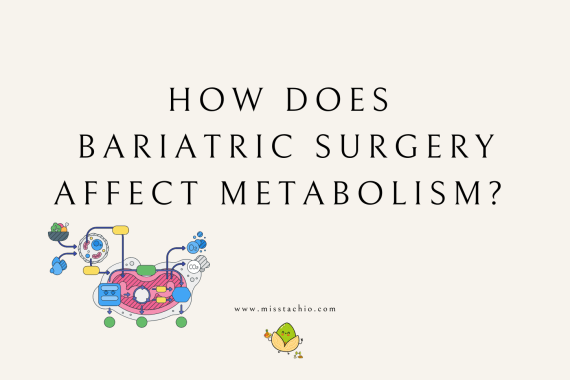
Bariatric surgery actually changes how your body processes energy at a fundamental level. We’re talking gut hormones, bile acids, insulin signaling, fat metabolism, and even how your brain receives hunger cues. Basically, bariatric procedures don’t just reduce food intake but they intervene at multiple points in your metabolic system simultaneously. If you’re considering surgery or you’ve already had it and are wondering why your body feels so different, this post is for you. Let’s break down how does bariatric surgery affect metabolism, in a way that makes sense without needing a medical degree.
What Is Metabolic Health and Why Does It Matter for Weight Loss Surgery?
Your Metabolic Rate, Energy Imbalance, and Why Obesity Makes It Harder to Lose Weight
Metabolism gets thrown around a lot, usually as something that’s either “fast” or “slow.” But metabolic health is more nuanced than that. It refers to all the chemical processes your body uses to convert food into energy, build and repair tissue, and keep your organs functioning. Your basal metabolic rate (BMR) is the number of calories your body burns just to stay alive: breathing, pumping blood, maintaining body temperature. It accounts for the majority of your daily energy expenditure.
When people say they have a slow metabolism, what they often mean is that their body has become efficient at storing energy as fat cells rather than burning it. In people with severe obesity, this energy imbalance is compounded by hormonal disruptions that affect the body’s ability to regulate hunger, insulin, and fat storage, making it even harder to lose weight and maintain weight loss through lifestyle changes alone. That’s precisely why obesity is now recognized as a complex medical condition rather than simply a matter of food choices.

Why Metabolism Gets Blamed for Everything (But Shouldn't Be)
Metabolism isn’t one single switch you can flip. It’s a complex web of hormones, organs, gut bacteria, and signaling pathways all working together. That’s exactly why metabolic surgery can be so effective as a weight loss treatment. It doesn’t just reduce how much you eat, I mean, yes, it does that, too. But it intervenes at multiple points in this web simultaneously, changing how your body handles energy from the inside out. This is also why the field increasingly uses the term bariatric and metabolic surgery: because the metabolic benefits go far beyond body weight alone.
How Does Bariatric Surgery Affect Your Gut Hormones and Fat Metabolism?
This is where things get really fascinating. When you undergo bariatric surgery, the changes to your digestive system trigger a cascade of hormonal shifts that go far beyond simply eating fewer calories.
The Hunger Hormone Ghrelin: How Bariatric Procedures Reduce Appetite
Ghrelin is produced mainly in the stomach and is often called the hunger hormone because it signals hunger to your brain. In surgical procedures like the sleeve gastrectomy (also known as the gastric sleeve), roughly 80% of the stomach is removed, including the portion that produces most of the ghrelin. The result? Your body produces significantly less of this hunger signal, which makes it easier to eat less without constantly battling cravings. This significant reduction in ghrelin is one of the reasons patients experience such a dramatic shift in their relationship with food after surgery.
I remember reading about this before my surgery and thinking, “Yeah, right.” But then during my first week of recovery, I experienced it firsthand. As I wrote in my first week update, I just suddenly didn’t want to eat that much anymore. And I believe it wasn’t willpower. It was my hormones doing something completely new. My body adapts to its new stomach size faster than my brain does.
GLP-1, PYY, and Improved Fat Metabolism After Gastric Bypass
If ghrelin signals hunger, GLP-1 (glucagon-like peptide-1) and PYY (peptide YY) are the gut hormones telling you to stop eating. After bariatric surgery, the levels of these satiety hormones increase significantly. GLP-1 in particular has become a big deal in the weight loss world because it also plays a crucial role in blood sugar control, insulin secretion, and improved fat metabolism.
Research shows that the rerouting of the gastrointestinal tract in gastric bypass sends nutrients to the lower intestine more quickly, which triggers a stronger release of GLP-1 and PYY. This enhanced hormonal response is one of the reasons metabolic and bariatric surgery produces such different results compared to trying to lose weight through calorie restriction alone.
Insulin Resistance and Leptin: How Surgery Helps Your Body Listen Again
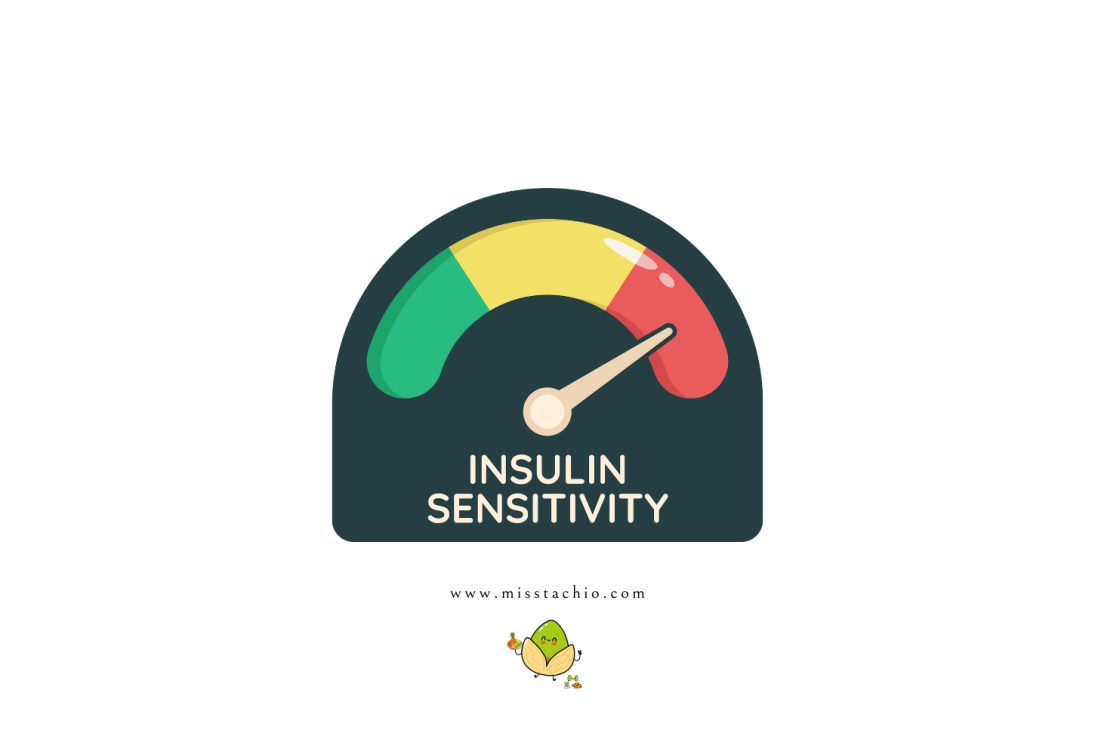
In people with obesity, the body often becomes resistant to two critical hormones: insulin (which regulates blood sugar) and leptin (which signals when you’ve stored enough energy in fat cells). It’s like your cells stop hearing the message. After metabolic surgery, insulin resistance improves, sometimes dramatically. Leptin levels also begin to normalize, which helps with appetite control and reduces cravings. This improvement in insulin signaling is closely linked to the reduction of excess fat around the organs, particularly visceral fat.
If you’re trying to decide, for example, between mini gastric bypass and gastric sleeve, it’s worth knowing that different bariatric operations affect these hormones in slightly different ways. Your bariatric surgeon can help you understand which procedure may offer the most benefit for your specific medical conditions. But the overall direction is the same: your body starts listening to its own signals again.
Does Bariatric Surgery Improve Blood Sugar Control and Insulin Resistance?
Short answer: yes, and often shockingly fast.
Why Blood Sugar Improves Before Significant Weight Loss
One of the most remarkable findings in bariatric surgery research is that blood sugar control and insulin resistance often improve within days of the procedure, long before any substantial weight loss has occurred. Researchers at NYU Langone have documented how patients experience almost immediate improvement in insulin, glucose, and cholesterol levels following surgery. The early caloric restriction plays a role, but hormonal changes, particularly the spike in GLP-1, appear to drive much of this rapid improvement in metabolic health.
A combined analysis of multiple clinical trials, published through the NIH, found that seven years after surgery, 54% of bariatric surgery patients had achieved strong blood sugar control compared to only 27% in the medical and lifestyle management group. That kind of sustained improvement speaks to the power of these bariatric procedures as a long-term weight loss treatment for people living with obesity and related health complications like metabolic syndrome, high blood pressure, and heart disease.
What Happens to Your Digestive System and Bile Acids After Bariatric Surgery
How Bariatric Surgery Reshapes Your Gut Microbiome
Your gut microbiome is the community of trillions of bacteria living in your digestive system, and it plays a huge role in how your body processes food, manages inflammation, and stores fat. Research published in clinical nutrition and gastroenterology journals has shown that bariatric surgery profoundly changes the composition of this bacterial community.
After surgery, the balance shifts to favor beneficial bacteria, including species like Akkermansia, which is associated with healthier metabolism and leaner body weight. The ratio between two major bacterial groups (Firmicutes and Bacteroidetes) also shifts toward a profile more commonly seen in people at a healthy weight.
Can a Healthier Gut and Bile Acids Boost Metabolism?
The evidence says yes. A fascinating study from the University of Toronto found that when researchers transplanted fecal matter from post surgery patients into mice, the mice showed better blood sugar control and insulin sensitivity, even though they were eating a high-fat diet and didn’t lose weight. That means the changed microbiome itself was driving metabolic improvements, independent of weight loss or food intake. The researchers noted that mice receiving the post-surgery transplant generated more heat and showed signs of increased energy expenditure through brown fat activation.
These gut bacteria also produce short-chain fatty acids and bile acids that influence how your body burns and stores fat. Both gastric bypass and sleeve gastrectomy increase the total circulating bile acid pool, which enhances fat digestion and fat metabolism. Bile acids also act as metabolic signaling molecules through specific receptors, contributing to improved blood sugar and reduced inflammation. It’s a chain reaction that starts in your gastrointestinal tract and ripples through your entire system.

I can say from personal experience that the gut changes are real and noticeable. During my two month update, I wrote about how my digestion had completely recalibrated. The portions, the timing, the way certain foods felt different. Your digestive system is genuinely working differently after surgery, and you can feel it. I had more energy, slightly bigger portions, but my body was clearly processing things in a new way.
Will My Resting Metabolic Rate Slow Down After Weight Loss Surgery?
This is one of the biggest fears people have about any effective weight loss approach, and honestly, it’s a fair question. If you’ve ever tried to lose weight through dieting and then watched it creep back on, you’ve experienced metabolic adaptation firsthand.
The Metabolic Slowdown Problem, and Why Surgical Procedures Handle It Differently
When you lose weight through calorie restriction alone, your body fights back. Your resting metabolic rate drops, thyroid hormone secretion slows, and your muscles become more energy-efficient, meaning they burn fewer calories per unit of work. Your body adapts to what it perceives as a threat, defending its stored energy. This is why so many people experience weight gain after initially successful diets.
Here’s where metabolic and bariatric surgery does something different. A 2024 observational study published in the International Journal of Obesity found that while gastric bypass patients did experience some metabolic adaptation in the first few months after surgery, the degree of that slowdown became similar to non-surgical, weight-stable people by 12 months. In other words, the surgery appears to attenuate the drop in basal metabolic rate that typically derails conventional weight loss attempts. Researchers believe this is connected to the hormonal and gut microbiome changes that are unique to surgical procedures.
A landmark 12 year follow up study published in the New England Journal of Medicine demonstrated that 93% of gastric bypass patients maintained at least 10% weight loss from baseline, and 70% maintained at least 20% sustained weight loss. Only 1% regained all their weight. Those numbers represent successful weight loss on a scale that’s extremely rare with diet-only approaches and speak to the lasting power of these metabolic changes.
How to Boost Metabolism and Maintain Weight Loss Long Term
While surgery gives your metabolism a powerful reset, it’s not a set-it-and-forget-it solution and it is so important imo to keep that in mind. Achieving sustainable weight loss requires an ongoing partnership between the procedure and your daily habits. Your food choices still matter, a lot. Prioritizing protein in every meal helps preserve muscle mass, which is directly tied to your metabolic rate. Staying hydrated supports digestion and nutrient absorption. And regular physical activity, especially strength training, helps keep your energy expenditure higher as your body composition changes.
How to Maintain Weight Loss and Reach Your Weight Loss Goals After Bariatric Surgery

Protein, Physical Activity, and Follow-Up
Let’s be honest. Surgery does the heavy lifting in the beginning, but maintaining your metabolic health and reaching your weight loss goals over the long term requires commitment. Here’s what matters most:
Protein at every meal. Lean proteins (e.g., chicken, fish, eggs, and legumes) help maintain muscle mass, which keeps your resting metabolic rate higher. After surgery, your body needs protein for healing and for preventing the muscle loss that can come with rapid, significant weight loss. Most bariatric surgeons recommend aiming for at least 60 to 80 grams of protein daily (tho it was really hard for me to hit those numbers at the beginning, so remember to be kind and patient with yourself).
Regular physical activity. You don’t need to run marathons. Walking, swimming, light resistance training: all of it helps boost metabolism and supports your cardiovascular health, reducing your risk of heart disease. Start small and build up. I started with around 5,500 steps a day in my first week and gradually increased from there. By month two, I was averaging 7,000 to 8,000 steps and felt noticeably more energy.
Hydration. Proper water intake supports every metabolic process in your body. Dehydration can actually slow down your metabolic rate, so aim for at least 1.5 liters a day. And remember that you can’t gulp anymore (trust me, this takes some getting used to). Adding cucumber, lemon, or orange slices can make it less boring and helps you stay on track.
Consistent follow up care. Keep your appointments with your bariatric surgeon and nutritionist. They can catch nutritional deficiencies early and help you adjust your plan as your body changes. Skipping follow up care is one of the biggest risk factors for weight regain, and staying connected to your care team dramatically improves your chances of sustained weight loss and better quality of life.
When Should You Worry About Weight Gain After Bariatric Surgery?
Some weight regain after reaching your lowest body weight (usually around 12 to 18 months post surgery) is completely normal. Research shows that about half of bariatric surgery patients experience some degree of weight gain over time, but the key word is “some.” A few kilograms coming back is very different from a significant reversal.
If you notice weight creeping up steadily, it’s worth looking at your habits: eating patterns, food intake, physical activity, and follow up attendance. GLP-1 receptor agonist medications are also becoming a promising option for patients who experience weight gain after surgery. The point is, you have options. You’re not starting from scratch. Surgery didn’t just help you lose weight temporarily. It changed how your body processes energy, and those metabolic shifts are still working in your favor.
The Bottom Line: How Bariatric Surgery Affects Metabolism and Your Quality of Life
Bariatric surgery doesn’t just make your stomach smaller. It fundamentally changes how your body processes energy, regulates hunger, manages blood sugar, and even which bacteria thrive in your gut. These metabolic shifts, from reduced insulin resistance to improved fat metabolism to healthier bile acid signaling, are a big part of why surgery produces more lasting, substantial weight loss than dieting alone. For many people living with severe obesity and related medical conditions, metabolic and bariatric surgery represents the most effective weight loss treatment currently available.
But here’s the part that matters most: these changes work in your favor as long as you work with them. Prioritize protein, stay active with regular physical activity, drink your water (slowly!), and keep showing up for your follow up appointments. Your metabolism has been given a genuine reset. What you do with it from here is up to you.
I’d love to hear from you. Have you noticed metabolic changes after your surgery? Maybe your blood sugar improved, you had more energy, or your relationship with hunger feels completely different. Drop a comment below and share your experience. You never know who might need to hear exactly what you’ve been through.